
Land Surveying for a Pool Beside a Utility Easement
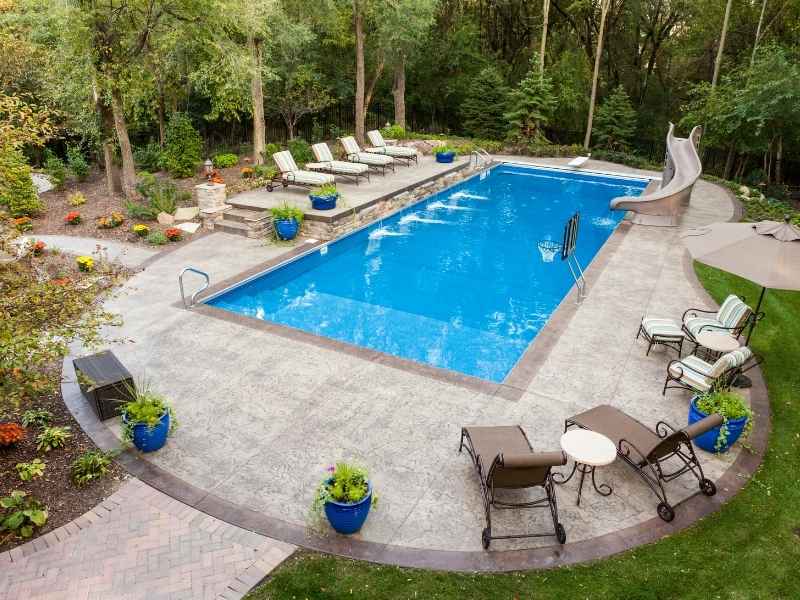
A backyard pool project can stop fast once a utility easement enters the picture. An easement is a strip of land where a utility company has the legal right to work, even though you own the land. Many homeowners think the easement is just a line on an old map, not something that limits where a pool, deck or equipment pad can go. Land surveying is how you find out before you pour any concrete, not after.
Getting this wrong costs money. A utility company can make you remove anything built inside its easement, even a finished pool. This article walks through what to check about the easement, what it legally allows, and how to plan a pool that fits your yard without conflict.
Where Is the Utility Easement in Relation to the Pool?
The first step is finding the exact spot of the utility easement on your property. Land surveying does this by pulling the recorded map, called a plat, and marking the easement lines on the ground. A guess based on a fence line or a utility box is not good enough for pool planning.
A survey for this job should show:
- The exact width and path of the recorded easement
- The distance from the edge of the easement to your planned pool spot
- Any other easements on the lot, since many properties have more than one
- Where the property lines sit, since easement lines and setback lines often get mixed up
Older neighborhoods, especially ones platted before recent growth, sometimes have easements that don’t match what you can see above ground. A buried line can run through a spot with no marking at all. A current survey confirms the real easement spot, not just what looks obvious from a walk around the yard.
What Does the Recorded Easement Allow Utility Providers to Do?
A recorded easement usually gives a utility company the legal right to reach, install, fix and maintain lines or equipment inside that strip of land. That right usually comes before what a property owner wants to build there. Knowing these rights is part of your homework before finishing any pool design.
Common easement terms to check:
- Whether the easement covers one utility, like electric, water, sewer or gas, or covers more than one
- Whether the wording blocks permanent structures inside the easement space
- Whether the company can remove anything that blocks its access
- Whether the easement includes extra room to work in, beyond just the line itself
Easement wording changes by company and by when it was recorded. Don’t assume every easement on your property works the same way. Pulling the real recorded document, not just looking at a plat drawing, gives you the exact rules that apply to your case.
How Much Clearance Does the Pool Design Need?
A pool design needs enough space, or clearance, between the pool and the utility easement. In most cases, the whole structure, including the deck and any walls, should sit fully outside the easement. Clearance rules can also come from local building codes and homeowner association rules on top of the easement itself.
Points to confirm with your surveyor and pool builder:
- The exact easement line, based on a current survey
- Any extra space required beyond the easement line, since some cities or utility companies ask for more buffer room
- Whether digging for the pool could hit buried lines, even if the pool itself sits outside the easement
- Whether retaining walls or ground changes near the easement need separate review
A pool built right up to the easement line with no buffer space leaves little room for error during building. A small measuring mistake can push part of the structure into restricted space. Confirming the exact space needed early, before digging starts, avoids a costly redesign later.
Could Pool Equipment or Decking Conflict With the Easement?
Pool equipment and decking can run into an easement problem even when the pool itself sits clear of it. This is a detail many homeowners miss during early planning. Equipment pads, deck overhangs and even landscaping tied to the pool can stretch into restricted space.
Watch for these common problem spots:
- Pump, filter or heater equipment placed inside or near the easement line
- Decking that reaches past the pool into the easement area
- Fencing required around the pool that crosses into the easement
- Drainage lines routed through the easement to move water away
New Braunfels sits in an area where drainage and slope matter a lot for pool projects, especially on lots that slope or sit near flood-prone spots. A pool layout needs to work around both the easement rules and how water moves across the yard once the pool, deck and equipment are all in place.
When Should the Surveyor Review the Pool Layout?
A surveyor should check the pool layout before the final design and before any permit is filed. This way, any easement problem gets caught while changes are still easy to make. Waiting until permitting or construction to find an easement problem causes delays and extra cost.
The best order to follow:
- Order a current survey showing all easements, property lines and existing yard features
- Share the survey with your pool designer or builder before finishing the layout
- Confirm any setback or clearance rules with the local permit office
- Have the surveyor check the final staked layout against the easement before digging starts
Rules can change based on the utility company, the city and the specific property. Confirm your survey needs early instead of assuming your neighbor’s experience matches yours. If your project timeline depends on permits or financing, get the survey and easement check done well before those deadlines get close.
Frequently Asked Questions
Can I build a pool inside a utility easement if I get permission from the utility company?
Some utility companies may allow limited work inside an easement, but this depends on the company and the exact terms of the recorded easement. Ask the utility company directly and get any approval in writing before you start.
What happens if a pool is found inside an easement after it’s built?
A utility company usually keeps the right to enter the easement for repair or maintenance work. This could mean removing part or all of the pool. That’s a big financial risk, which is why checking easement lines before building matters so much.
Does every property have a utility easement?
Most built-up properties have at least one utility easement, though the spot, width and rules can differ a lot. A current survey or a look at your recorded plat will show what applies to your lot.