
Mortgage Survey for a Detached Garage Before Closing
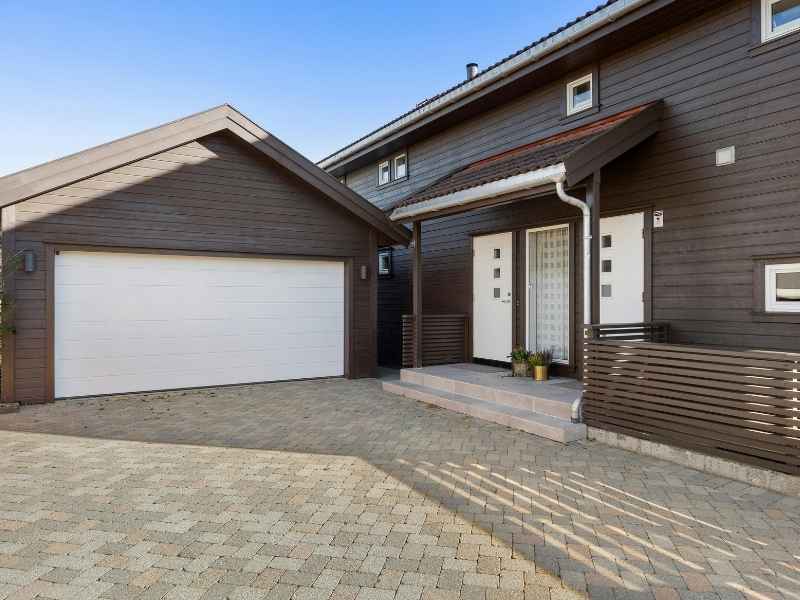
A detached garage seems simple. It sits behind the house, holds a car or two, and nobody thinks twice about it. But a mortgage survey can turn that garage into a big deal right before closing. If it sits too close to a boundary, sits on land someone else has a right to use, or doesn’t match old records, that small building can slow down the whole sale.
Why a Detached Garage Can Become a Closing Issue
Most buyers focus on the house. The garage often gets ignored, treated like something that’s already there and already fine. But a garage sits on its own spot of land, separate from the house, and that spot has to follow the same rules as everything else on the property.
A garage built years ago might not match the rules used today. It might sit closer to the property line than current rules allow. It might sit in a spot where old paperwork says nothing should be built. None of this is easy to spot just by looking at the building. A mortgage survey checks the garage against real property records, not just how the yard looks during a walk-through.
This matters to lenders too. If a survey finds a problem with the garage, the lender may want it fixed before the loan closes. That puts the garage right in the middle of the closing process, even if nobody planned for it.
Checking the Garage Location Against Property Lines
The most basic job of a mortgage survey is showing exactly where the garage sits compared to the property lines. This isn’t about explaining what a boundary line is. It’s about answering one simple question. Does the garage actually sit where everyone thinks it does?
Sometimes a garage sits closer to a property line than most people would guess just by looking. Sometimes it seems to cross the line completely, with part of the building sitting on the neighbor’s land. Either case changes the conversation at closing.
A garage sitting a foot or two from a boundary line isn’t always a problem, but it’s still good to know about. A garage that clearly crosses the line is a bigger deal, and it usually needs a closer look from a title professional before the sale moves ahead. The survey gives buyers and lenders real measurements, not a guess based on how the yard looks from the driveway.
Setbacks and Easements That May Affect the Detached Garage
Property lines aren’t the only limits that matter. Many lots also have setback areas and easements. A setback is a space near a boundary line where nothing is supposed to be built. An easement is different. It gives someone else, like a utility company or a neighbor, the right to use part of the land.
If a garage sits inside a setback area, it might not meet current rules, even if it was built a long time ago. If a garage was built on top of an easement, that can raise questions about future repairs or access to that spot. Neither problem is always obvious from the yard.
A mortgage survey checks the garage’s position against both of these limits. This tells buyers and lenders whether the garage sits somewhere it technically shouldn’t, based on rules or rights that existed long before the garage was built.
When the Garage Does Not Match Older Property Records
Some garages were built after the last survey or plat was made. That means the official paperwork for the property might not show the garage at all, or it might describe the lot in a way that no longer matches what’s really there.
This creates a gap between the paper and the actual property. A new survey, done as part of closing, closes that gap. It shows the garage as it stands today and checks it against the older documents tied to the property. If old records show an empty side yard where a garage now stands, that gap needs to be sorted out before the sale closes.
This doesn’t mean something went wrong when the garage was built. It simply means the current paperwork needs to match reality, so nobody ends up confused about what they’re buying or lending money against.
How Garage-Related Survey Findings Can Affect the Closing Process
When a survey flags something about the garage, whether it’s a possible line problem, a setback issue, or a mismatch with old records, that finding doesn’t just sit there. It usually gets passed to the people who need to weigh in before the deal closes.
A title professional might look at the finding to see how it affects the legal description of the property. A lender might ask questions about how it affects the loan. A buyer might want more details before moving forward, and a seller might need to explain how the garage ended up positioned the way it is.
None of this means the sale is doomed. Many garage-related findings get sorted out through paperwork, a clear explanation, or a simple agreement between everyone involved. The point of catching the issue early is simple. It gives everyone time to work things out before closing day, instead of finding a problem after the papers are already signed.
Frequently Asked Questions
Can a detached garage appear on a mortgage survey?
Yes. A mortgage survey usually shows every structure on the property, including a detached garage, along with where it sits compared to the property lines.
What happens if a detached garage is too close to a property line?
It depends on how close it is and what local rules say. A title professional or lender usually reviews the finding before closing moves forward.
Can a detached garage cross an easement?
Yes. If a garage was built without checking recorded easements first, part of the building can end up sitting inside a spot where someone else has access rights.
What if the detached garage was built after the previous property survey?
A new survey can show the garage as it stands today, which helps confirm whether the older property records still match the actual site.
Can a garage encroachment delay a real estate closing?
It can. A possible encroachment usually needs a review from a title professional before the sale moves ahead, and that review can add time to the closing.